What Is Technical SEO and Why Is It Important? A Beginner’s Guide for 2026
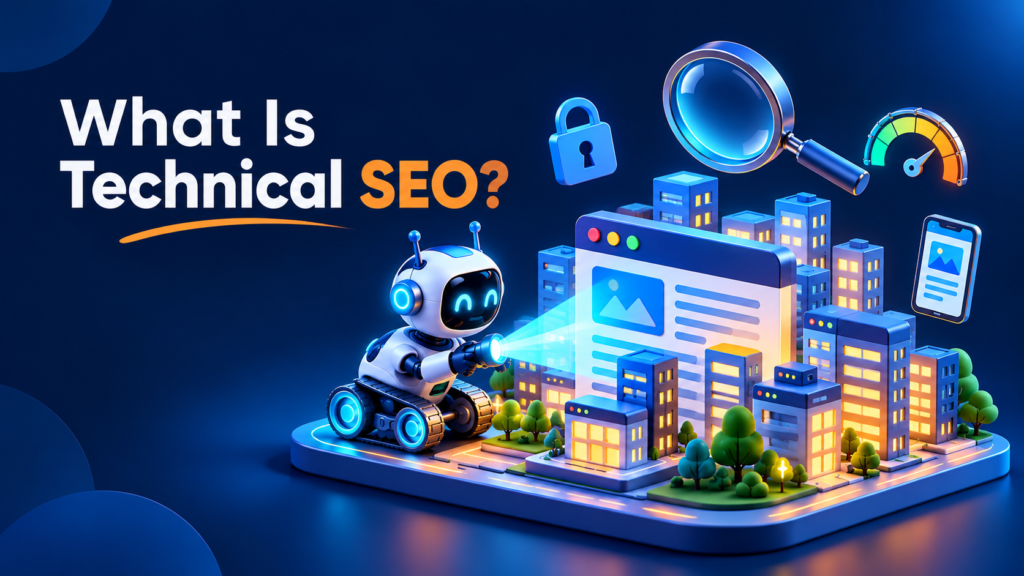
What is technical SEO and why is it important? Technical SEO is optimizing your website for crawl-ability by search engines by making sure they can find, crawl and understand your pages and store them. It’s important as no matter how good your content is, if Google can’t find your website or it takes ages to load people won’t want to use it. Read on to find out what is technical SEO and why is it important for your website. Having written and audited content for 10 years I can tell you this is the area of search that is most neglected. Many beginners can spend months creating content for their blog without ever checking if it can be indexed. This guide will help you understand technical SEO in simple terms, including what is technical SEO and why is it important, we’ll look at the main factors and provide a checklist you can begin using today. What is Technical SEO? When you think about your website as a shop, then your content will be your products. Technical SEO is the shop itself. The front entrance, lighting, signage and layout. If you have a locked door or confusing layout, people won’t get into the shop and therefore won’t get to see what you’re selling. When search engines come to look at your pages, they send little automated programmes which are often referred to as crawlers or bots. With good technical SEO, which is the answer to what is technical SEO and why is it important, you’ll have an easy experience. This includes a fast loading site, a mobile friendly site, a well organised site and allowing search engines to index your pages. This is one of the pillars of search optimization. Find out how it ties in with content and links by reading our Complete SEO Guide. Why Is Technical SEO Important? Technical issues can really hinder your website. If there is an issue with technical SEO on a page, then it may never show up in search results. Having good technical SEO will help you: The upside of technical problems is that they are mostly a once-off. Once you have a firm foundation everything should need minimal maintenance. Technical SEO vs On-Page SEO vs Off-Page SEO Many newcomers get confused by these 3 terms but here is a simplified breakdown: Technical SEO helps make your website accessible, On-Page helps make each page relevant. Key Elements of Technical SEO Below are the key areas of Technical SEO that all beginners should know: 1. Crawlability This refers to how easily search engines can crawl through your website. A small text file is used to tell search engines which areas they can navigate to, this is called robots.txt. Sometimes beginners will accidentally block important pages, ensure your website isn’t blocking anything you want to rank. 2. XML Sitemap XML sitemaps are a list of your important pages, they help search engines find any new or updated content quicker by providing them with a map. They can be created automatically using most SEO plugins so dont forget to submit this in Google Search Console. 3. Indexing When a search engine crawls a page it means it will visit it. However, when a page gets indexed it means it will store it to show up in results. You may have pages that get crawled but aren’t indexed. You can view what pages are indexed and why others aren’t using the Pages report in Google Search Console , a handy step when exploring what is technical SEO and why is it important. 4. Site Speed & Core Web Vitals Slow loading pages can cause frustrations for your visitors and also can affect your rankings, which is why what is technical SEO and why is it important. Google uses Core Web Vitals to measure the users experience on your site. This takes into consideration how quick your main content loads, how fast your pages respond when clicked on and how much your page moves around. To improve your site speed, make sure your images are compressed, unnecessary plugins removed and you have good hosting. 5. Being Mobile Friendly Google mostly considers your website’s mobile friendliness. You want your pages to be easy to read and easy to click on a small screen. So no very small text or cutting off of text. 6. HTTPS Having a secure connection using HTTPS on your website means that browsers will warn users that they shouldn’t visit sites without HTTPS. This is a slight ranking factor. Ensure that you have an SSL certificate on your site. All your pages should be loading over HTTPS. 7. Organisation & URL Structure Having an organised site, a core part of what is technical SEO and why is it important, will help both users and search engines bots. Try to keep the number of clicks to get to any page on your site down to 3 clicks from your homepage. Keep your URLs short and easy to read, and ensure all related pages are linked together. 8. Duplicate Content & Canonical Tags When attempting to choose which page to rank in search results, duplicate material might be confusing for anyone learning what is technical SEO and why is it important. A canonical tag tells search engines which page should be the main one. This is commonly seen on online shops when one product will have multiple URLs. 9. Broken Links & 301 Redirects Broken links can cause a bad user experience and cause unwanted crawling. When deleting or moving pages set up a 301 redirect to point users to the new page. Try to avoid having too many redirects. 10. Structured Data (Schema) Schema is code that tells the search engines what type of content you have. For example articles, products, FAQs. Schema can bring rich results to your site which will help to make your listing stand out. Most plugins allow you to add basic schema without any coding required, which is useful to